Welcome to your ultimate guide for discovering fantastic resources to power up your game development projects. Whether you’re an indie developer, a student, or a hobbyist, finding quality pre-made elements can save you significant time and money.
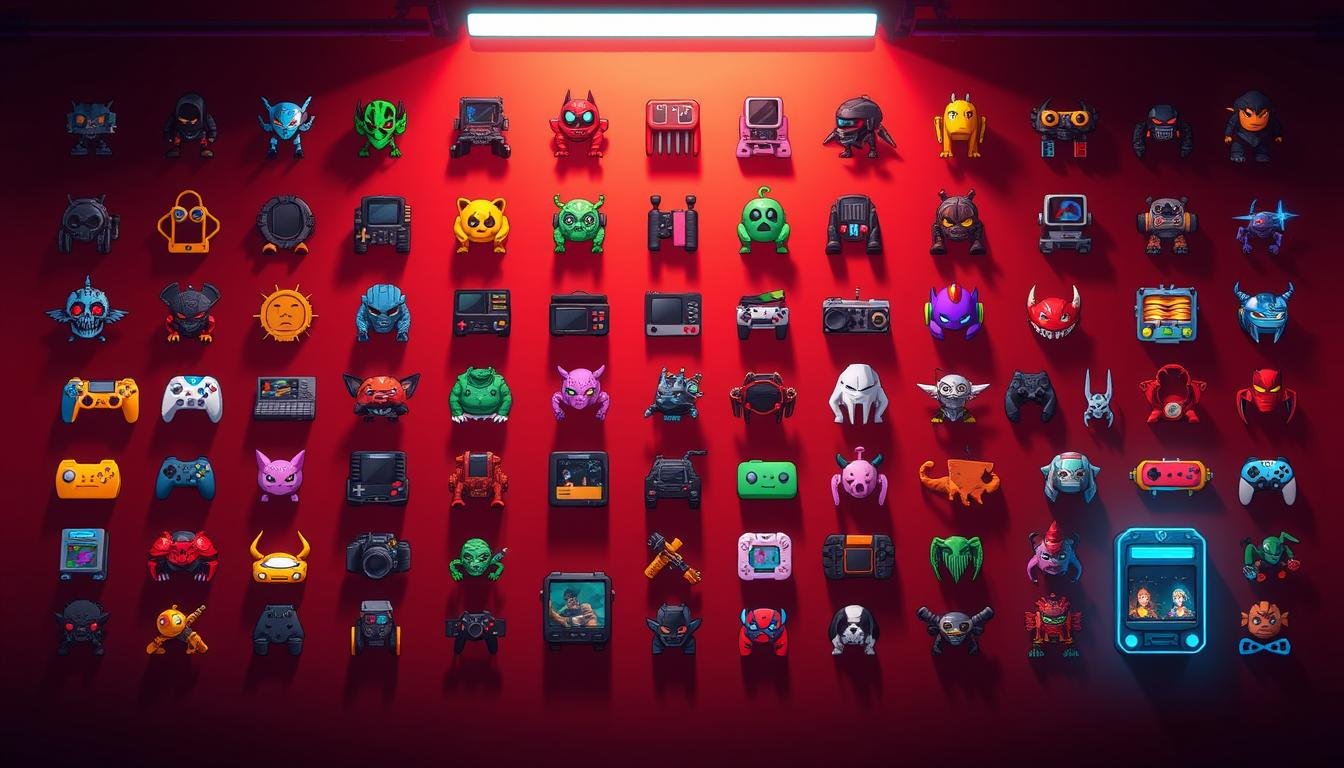
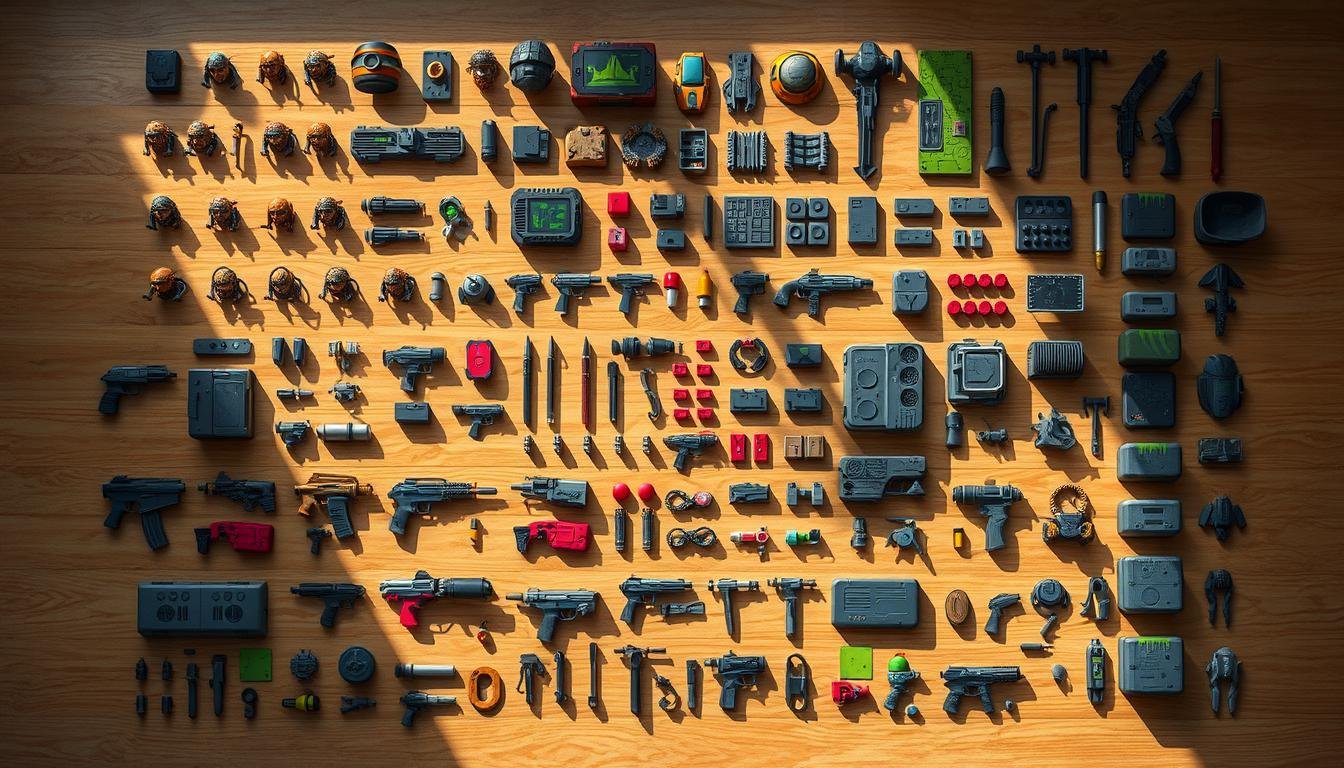
Game assets include every individual piece found in a game. This covers artwork, music, sound effects, animations, and interface elements. Using these pre-made resources is a smart strategy for developers who focus on coding.
This comprehensive guide walks you through the top platforms and communities. You will learn where to download sprites, tilesets, and complete packs. Our goal is to help you create polished, professional-looking games efficiently.
By the end, you’ll have a curated list of trusted sources. We will also share practical tips for integrating these elements into your workflow. Get ready to accelerate your development process with handpicked resources.
Key Takeaways
- Pre-made game resources save time and keep projects on budget.
- Quality assets are available for developers of all skill levels.
- This guide covers top platforms for sprites, tilesets, and UI elements.
- Learn how to integrate these elements for a professional finish.
- Discover communities and marketplaces tailored for indie creators.
- Gain strategies for maintaining art consistency in your projects.
Understanding the Role of Free 2D Assets in Game Development
Building a compelling game world requires more than just great code. It needs visual and audio elements that bring your creation to life. These components form the foundation of player experience.
For programmers who focus on mechanics, professional resources bridge the artistic gap. They allow you to concentrate on what you do best. This approach saves hundreds of hours on artwork creation.
Consistent visual style creates a cohesive, professional appearance that players remember. When all elements work together harmoniously, your project feels polished and complete.
Why Quality Assets Make a Difference
Well-designed game resources elevate simple concepts into engaging products. They provide the visual and audio foundation that impacts first impressions. Players notice when everything looks and sounds cohesive.
Many successful indie titles use pre-made elements effectively. This proves that budget constraints don’t limit creative vision. The right combination can transform basic ideas into marketable experiences.
Understanding quality evaluation and licensing ensures solid foundations. It prevents legal or technical issues later in development. Smart resource selection keeps projects on track and within budget.
Curated Resources for Indie Game Art
Independent artists form the creative backbone of the gaming community, offering diverse styles for every project. These creators share their work through specialized platforms that connect them with developers worldwide.
Spotlight on Independent Asset Makers
Platforms like OpenGameArt showcase talented individuals who create unique visual content. Artists such as 2DPIXX and Tsorthan Grove share their work across multiple marketplaces including itch.io and Sketchfab.
This cross-promotion strategy makes their resources widely accessible to devs. They use free licenses like CC0 and Public Domain to support the community.
Following your favorite creators ensures you discover compatible art for your projects. This approach helps maintain visual consistency across your indie game.
The community thrives on reciprocity. When you use these resources, consider supporting artists through credit or feedback. Building relationships can lead to exciting collaborative opportunities.
Top Free 2D Assets for Your Game Projects
The right selection of pre-made components can transform your prototype from basic to professional in record time. Trusted platforms organize their offerings to help you find exactly what you need.
Curated Lists from Trusted Platforms
Quality platforms like itch.io vet their collections for compatibility and proper licensing. This saves you hours of sorting through thousands of options.
Most provide files in PNG format, which works seamlessly with popular engines. You can import them directly without conversion hassles.
Look for themed collections like fantasy RPG kits or platformer bundles. These provide everything needed for specific game types.
Asset Packs for Rapid Prototyping
Complete sprite packs eliminate the tedious work of creating individual elements. You can build playable prototypes in hours instead of weeks.
Coordinated sets include characters, environmental tiles, and UI elements that work together seamlessly. This maintains visual consistency across your project.
Rapid testing with quality resources lets you validate gameplay concepts before investing in custom art. Itch.io offers over 28,000 game assets with great variety.
Discovering Asset Pack Options for Various Styles
Game developers today have access to comprehensive packages that streamline the creation process. These collections provide coordinated visual elements for different game genres and artistic approaches.
Complete Kits and Modular Elements
Complete game kits offer everything needed to build an entire project from start to finish. Craftpix exemplifies this approach with packages containing main characters, opponents, and environmental tilesets.
These comprehensive collections include thematic environments like forests, mountains, and dungeons. They also feature animated traps, magic effects, and extensive icon sets for items like potions and treasure.
Modular asset packs provide flexibility for mixing and matching components. This approach maintains visual coherence while allowing customization. You can start with basic elements and upgrade as your project evolves.
GUI packs with pre-designed windows and buttons save countless hours of interface design. Different artistic styles cater to specific genres, from pixel art for retro games to detailed sprites for premium titles.
Investment in coordinated kits provides access to thousands of elements that maintain consistent art direction. Many options include promotional materials for complete visual consistency across your project.
Leveraging Public Domain and CC0 Game Art
The world of CC0 licensed materials offers unparalleled flexibility for commercial game projects. These resources provide complete creative freedom without complex legal restrictions.
Platforms dedicated to public domain content simplify the search for quality components. They eliminate the confusion around attribution requirements and usage rights.
Kenney.nl and Similar Platforms
Kenney.nl stands out with over 40,000 game resources available under CC0 licensing. This means you can use, modify, and sell projects containing these materials without any conditions.
The collection maintains impressive quality across sprites, models, interface elements, and audio files. Everything shares a cohesive visual style that works well together.
Kenney even develops complete indie titles using his own resources, demonstrating their practical application. Additional tools like Creature Mixer help customize existing art for unique results.
Understanding Licensing Freedom
CC0 licensing represents the most permissive option available. There are no attribution requirements, usage restrictions, or commercial limitations.
This differs significantly from free paid resources that often come with conditions. Public domain materials eliminate the headache of tracking different artist requirements.
Understanding this distinction helps developers make informed decisions about what they can legally incorporate into commercial projects with complete confidence.
Utilizing Platforms like itch.io and Unity Asset Store
Two major platforms dominate the conversation when developers seek game components: itch.io and the Unity Asset Store. Each serves a distinct purpose in the creator ecosystem.
These marketplaces offer different approaches to content distribution. Understanding their strengths helps you make informed choices for your projects.
itch.io for Indie Devs
itch.io has become the preferred marketplace for independent creators seeking affordable materials. The platform hosts over 28,000 items available for immediate use.
You’ll find everything from complete game templates to individual sprites and audio packs. The content often features experimental and retro-styled designs not found elsewhere.
Unity Store Treasure Trove
The Unity Asset Store represents a massive collection with 41,000 3D items and extensive 2D libraries. Many feature professional-quality sprites and animations.
Pricing ranges dramatically from budget-friendly $10 options to comprehensive $300 bundles. The store frequently holds flash sales where premium items become available at significant discounts.
Many Unity store offerings come in standard PNG format. This makes them reusable outside Unity in engines like Godot and GameMaker. Smart devs monitor both platforms to maximize their resources.
Integrating Assets into Popular Game Engines
Once you’ve gathered your game components, the next crucial step is getting them into your development engine. This process varies depending on your chosen platform and tools. Understanding file formats and transfer methods is key to a smooth workflow.
Most engines work seamlessly with common file types. PNG files are ideal for sprites and tiles. MP3 or WAV formats handle your audio needs. For animations, you’ll typically use a sequence of PNG frames.
Importing Assets into hyperPad
hyperPad offers a unique no-code approach for iPad developers. You can build complete experiences without writing a single line of code. The import process is straightforward and visual.
Download ZIP files from platforms like Kenney.nl. Extract them using the iPad’s Files app. Transfer your PNG sprites and MP3 sounds via AirDrop or iCloud Drive.
Inside hyperPad, tap the ‘+’ button and select ‘Add Sprite’ or ‘Sound’. Choose your files directly from the Files app. For animations, use the frame-by-frame import in the built-in editor.
Tools like hyperPad allow drag-and-drop physics and behavior assignment. This transforms static images into interactive game objects within minutes.
Ensuring Compatibility with Godot and Unity
Engines like Godot and Unity also accept standard formats. However, Unity asset packages (.unitypackage) often need extraction for use elsewhere.
Always check sprite dimensions and tile sizes against your engine’s requirements. This ensures optimal performance and visual quality. Cross-engine compatibility is common, allowing resources from one store to be reused in another.
OpenGameArt provides a massive library with clear documentation for easy integration. This helps you maintain consistency across your project’s visual and audio elements.
Optimizing Asset Downloads for Fast Prototyping
Mastering asset management on iPad unlocks rapid development potential for mobile creators. A streamlined download process transforms prototyping from frustrating to fluid.
Smart organization saves precious hours during critical development phases. You can focus on creative design rather than file hunting.
Efficient File Management on iPad
iPad browsers automatically save downloads to the Files app. This creates a centralized location for all your project materials.
Create clearly labeled folders for different asset types. Organize by sprites, backgrounds, or audio files for quick access.
When downloading from a computer, use AirDrop or iCloud Drive for seamless transfers. Email attachments provide another flexible option for file sharing.
hyperPad offers built-in libraries that eliminate download management entirely. Their starter templates and community resources accelerate prototyping.
Proper file organization can reduce setup time from hours to minutes. This efficiency lets you test game concepts rapidly.
Batch downloading compatible collections during research builds a ready library. You’ll have materials available when inspiration strikes your project.
Enhancing Your Game With Unique Visual and Audio Elements
The final layer of polish for any game comes from its audio and visual elements. These components work together to create immersive experiences that players remember long after they finish playing.
Background music sets the emotional tone for your entire project. A well-chosen soundtrack can transform a simple platformer into an epic adventure. Platforms like itch.io include thousands of musical tracks alongside their visual offerings.
Sound effects provide crucial feedback for player actions. They make jumping, collecting items, and taking damage feel responsive. Kenney.nl offers extensive sound libraries that complement their visual resources perfectly.
GUI elements and icons create intuitive interfaces that players understand immediately. Craftpix provides complete sets for health bars, inventory systems, and interactive menus. These visual cues guide players through your game’s mechanics.
Special effects animations add professional polish to any project. Magic spells, explosions, and environmental interactions bring your game world to life. Some packs include 20+ animation variations for maximum flexibility.
Balancing these elements requires testing, but the payoff is significant. The right combination of audio and visual components creates a distinctive identity for your game. This approach elevates your project from functional to memorable.
Exploring Game Art Styles: Pixel, Retro, and Beyond
Selecting an appropriate visual style is one of the most critical decisions that shapes player perception and gameplay experience. Different artistic approaches communicate distinct messages about your project’s genre and target audience.
Benefits of Pixel Art in Games
Pixel art remains incredibly popular for good reason. This style combines nostalgic appeal with practical advantages like small file sizes.
The limited resolution naturally helps maintain visual consistency across characters, sprites, and environmental tiles. Animation requires fewer frames, making smooth movements achievable with limited resources.
Platforms like Pixel Frog specialize in retro pixel style perfect for platformers. Their collections demonstrate how this approach works across different game types.
Inspiration from Retro Design
Retro aesthetics evoke gaming’s golden age while feeling fresh to modern players. This timeless quality makes pixel art appealing across generations.
Craftpix offers clean, modern designs excellent for mobile RPGs. Meanwhile, Kenny’s resources maintain cohesive looks across diverse genres.
Different art styles suit specific project needs. Choosing early ensures all visual elements work together harmoniously throughout development.
Asset Marketplaces for Diverse Game Genres
The landscape of digital marketplaces offers tailored solutions for every game development need. Specialized platforms now cater to specific genres with precision-curated content.
ArtStation’s marketplace stands out with nearly 60,000 items available. You’ll find everything from custom textures to complete character models.
ArtStation Insights
This platform provides high-quality materials across all artistic styles. Their collection includes rigged characters with professional animations.
Paid options range up to $500 for expertly crafted models with extensive customization. Beyond visual elements, ArtStation offers brushes, tutorials, and job boards.
Turbosquid for 3D and Beyond
Turbosquid ranks among the world’s largest online stores with over 1 million total items. It serves major engines like Unity and Unreal.
Developers should filter for the 54,000 low-poly models suitable for real-time games. The store categorizes content by vehicles, architecture, and technology.
Genre-specific searching helps locate perfect matches for your project. Whether you need RPG interfaces or racing components, these marketplaces deliver targeted solutions.
Cross-Promotion Opportunities for Asset Creators
Smart creators understand that visibility across multiple platforms creates powerful opportunities for growth. OpenGameArt leads an innovative experiment connecting artists with sister marketplaces.
This network includes itch.io, Sketchfab, Freesound.org, and the Godot asset store BETA. Artists can share their work across all these spaces simultaneously.
Collaborating Across Platforms
Creative professionals follow four simple steps to maximize their reach. They host content on OpenGameArt first. Then they submit the same materials to partner platforms.
All shared materials must use compatible licenses like CC0 or CC-BY. This maintains the open-source spirit that benefits everyone.
Banner images in descriptions help artists build brand recognition while directing traffic to their primary portfolios. Comments with links to other platform listings create additional pathways for discovery.
Developers gain significant advantages from this approach. They can follow favorite creators across multiple spaces. This ensures they never miss new releases or updates.
The entire indie ecosystem benefits from these interconnected networks. Quality materials reach wider audiences while artists build sustainable careers.
Tips for Finding Free Game Assets on a Budget
Smart developers know that building a great game doesn’t require a massive budget. With the right strategy, you can access high-quality materials without breaking the bank. It’s all about knowing where to look and when to act.
Begin your search with platforms that specialize in no-cost offerings. Kenney.nl provides an enormous library of over 40,000 CC0 items. Itch.io also hosts extensive collections you can use immediately.
Timing is a powerful tool for budget-conscious creators. Major stores like Unity frequently hold flash sales where premium items drop to just a few dollars. Unreal Engine offers five featured “Free for the Month” assets worth collecting regularly.
Subscription services like Craftpix provide incredible value, granting access to 1,000+ items for a low monthly fee. This costs less than a single premium pack.
Spending a few hours during pre-production to search and bookmark resources pays off later. It prevents expensive last-minute purchases when deadlines loom. Building a personal library between projects ensures you have materials ready when inspiration strikes.
Community-created “best of” lists can save you countless hours of searching. They direct you to the highest-quality materials available. Following creators on social media also reveals limited-time giveaways and bundle deals.
Best Practices for Integrating Free Game Assets in Projects
The art of combining different visual elements lies in maintaining consistency across your entire project. Simply dropping sprites into your game won’t create the polished look players expect. Thoughtful implementation is key to professional results.
Complete packs from single creators offer the best foundation. These collections ensure characters, environments, and interface elements share compatible styles. Everything works together seamlessly from the start.
Customizing Assets for an Original Look
Transforming generic materials into unique game elements requires creative adjustments. Color changes, sprite combinations, and added details make pre-made art feel fresh. Even recognizable components become original through smart customization.
Testing materials in actual gameplay reveals issues not visible in static previews. Scale mismatches and animation timing problems become apparent during real use. This prevents costly revisions later in development.
Documentation should happen during integration, not as a last-minute task. Keep track of sources, licenses, and required attributions. Organized folders and backup copies streamline your workflow.
Layering effects like particles and lighting elevates simple sprites. These techniques add professional polish that impresses players. Your final product will feel cohesive and thoughtfully designed.
Strategies to Stay Updated with New Free Assets
Successful creators maintain a constant stream of high-quality components by building effective information networks. Staying current requires more than occasional browsing—it demands smart systems.
Platforms like hyperPad offer YouTube tutorials, forums, and Discord communities where developers share templates. Game Dev Market, built by indie creators for indie creators, is perfect for game jams.
Following Industry Trends
Current trends favor pixel art and minimalist designs in the indie scene. Newsletter subscriptions from major marketplaces deliver weekly updates about new releases.
YouTube channels dedicated to game dev feature regular asset roundups and creator interviews. Setting up alerts for terms like “CC0 release” helps surface announcements automatically.
Utilizing Community Recommendations
Community forums on Discord and Reddit regularly share hidden gems and bundle deals. Fellow developers who’ve tested materials under real deadlines provide valuable insights.
These recommendations reveal practical strengths and limitations that preview images don’t show. Many successful devs maintain personal wishlists tracking promising resources.
Building relationships in these spaces creates ongoing access to quality materials. This approach ensures your projects always have fresh, relevant components.
Wrapping Up Your Game Dev Journey with New Assets
The path from game concept to playable prototype has never been more straightforward for developers. You now have access to incredible resources that transform ideas into interactive experiences.
Tools like hyperPad make this process even smoother. Their Starter version lets you begin creating immediately. You can upgrade later for unlimited publishing while keeping all royalties.
These materials save countless hours that would go into art creation. Instead, you focus on gameplay mechanics and player experience. Your unique vision turns generic components into memorable games.
The supportive communities around these platforms offer more than just downloads. They provide tutorials, feedback, and collaboration opportunities. Your journey from aspiring developer to active creator starts with that first download.