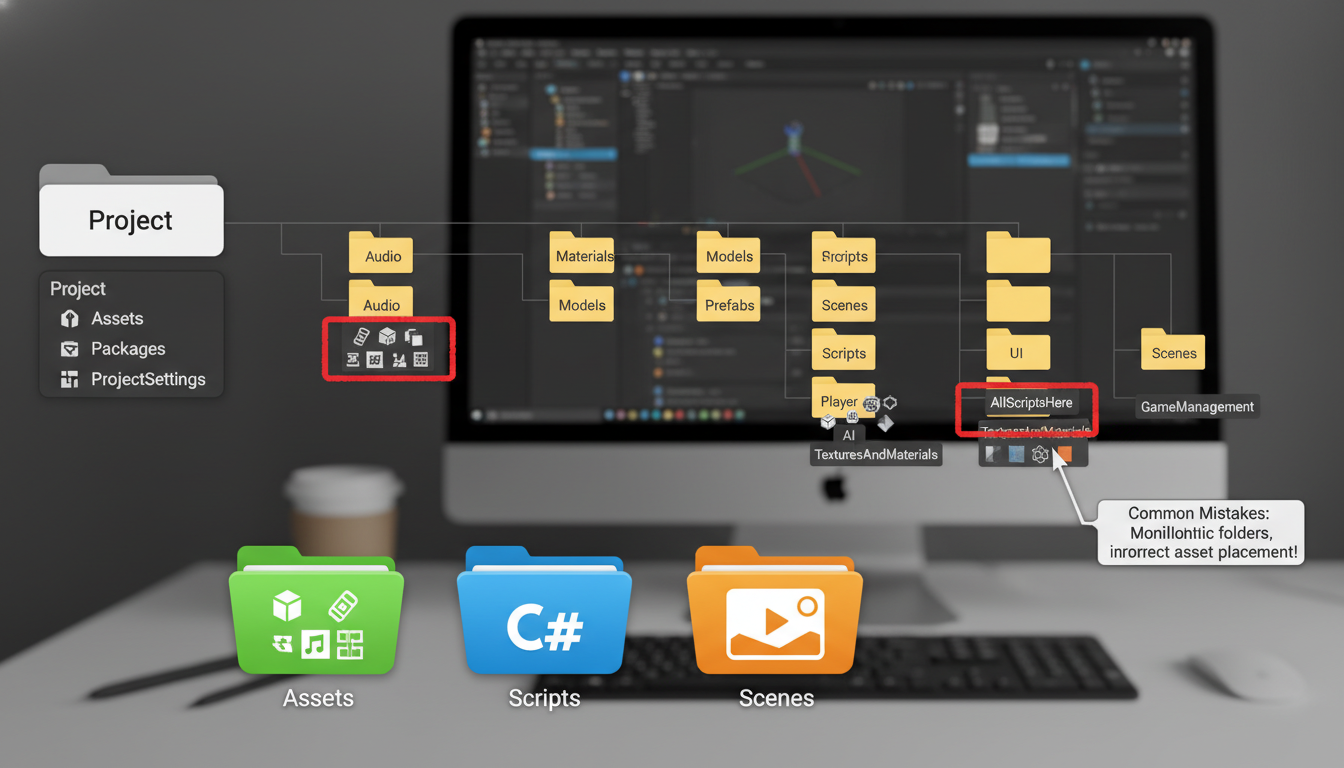

rapid iteration methods for gameplay prototypes

Rapid Iteration Techniques That Improve Gameplay Prototypes

Creating great games involves a special approach to building and testing ideas. Instead of trying to make everything perfect from the start, developers use a cyclical process of improvement. This method turns rough concepts into polished experiences through repeated testing and refinement. The iterative design process helps teams avoid getting stuck on early decisions. You […]

Continue Reading
validating fun before content expansion

How to Validate “Fun” Before Adding Content to a Game

Creating a great game is a huge challenge. Developers often feel pressure to add new features to keep players interested. But adding more stuff doesn’t always make a game better. It can sometimes make the experience worse. This guide tackles a core challenge in game creation. How do you know if a new idea will […]

Continue Reading
unity mini projects for understanding game architecture

Mini Projects That Help You Understand Unity Game Architecture

Learning how to build a robust digital world can feel overwhelming. The sheer number of systems working together is immense. Where do you even begin to understand how it all fits together? This guide introduces a powerful learning method. We use small, focused exercises to explore large ideas. These mini projects provide a safe space […]

Continue Reading
prototyping core game mechanics with minimal scope

How to Prototype Core Game Mechanics Without Expanding Scope

Creating a new interactive experience is an exciting journey. Many teams face a common hurdle right at the start. They must test their central idea without letting the project balloon in size. This early stage is about finding the fun factor. Keeping a tight focus during initial creation is vital. It prevents wasted effort on […]

Continue Reading
state-based ui systems in games

Why State-Based UI Systems Prevent Interaction Conflicts

Creating smooth user experiences in interactive applications requires careful management of interface behavior. Traditional development methods often struggle with complex interaction scenarios. Many developers rely on multiple Boolean flags to track different conditions. This method creates potential conflicts where contradictory actions can occur simultaneously. The core problem emerges as applications grow more sophisticated. Each new […]

Continue Reading
transitioning from no-code to traditional game engines

How to Transition a No-Code Game Prototype Into a Full Engine Workflow

The global market for interactive entertainment is experiencing explosive growth. Projections show revenue reaching $522.46 billion in 2025, with an estimated 2.2 billion users worldwide. This creates massive opportunities for creators at every level. Many developers start their journey using accessible visual tools. These platforms allow for rapid prototyping without writing a single line of […]

Continue Reading
scaling prototypes built with no-code game engines

When and How No-Code Game Prototypes Can Be Scaled Safely

The global gaming industry continues its impressive growth trajectory, projected to reach $522.46 billion by 2025. This expansion creates unprecedented opportunities for creators worldwide. With 2.2 billion users expected soon, the market demands fresh content and innovative experiences. Modern development platforms have democratized game creation. Tools like Unity Visual Scripting and Construct 3 empower writers, […]

Continue Reading
balancing simplicity and depth in small game mechanics

How Simple Mechanics Create Depth When Designed Intentionally

Creating compelling interactive experiences presents a fundamental challenge for developers. The goal is to craft systems that are immediately accessible yet offer lasting value. Players should grasp the core concepts quickly while discovering layers of strategic possibility over time. Successful titles across all genres share this important trait. From mobile puzzles to complex role-playing adventures, […]

Continue Reading
performance trade-offs in no-code game development

The Hidden Performance Trade-Offs of No-Code Game Development

Creating interactive experiences has become more accessible than ever before. Visual development platforms allow creators to build engaging content without writing traditional programming languages. This approach has revolutionized how people approach digital creation. Independent creators and small studios across the United States are embracing these visual tools. They seek faster ways to bring their ideas […]

Continue Reading
limitations of no-code game builders for commercial projects

Where No-Code Game Builders Start to Break Down in Commercial Projects

The rise of no-code platforms has transformed game creation. These tools empower creators without deep technical skills to bring their visions to life quickly. This accessibility is a significant leap forward for the industry. However, this approach faces hurdles when ambitions grow. Moving from a prototype to a full-scale, professional product reveals inherent constraints. The […]

Continue Reading