state-based ui systems in games

Why State-Based UI Systems Prevent Interaction Conflicts

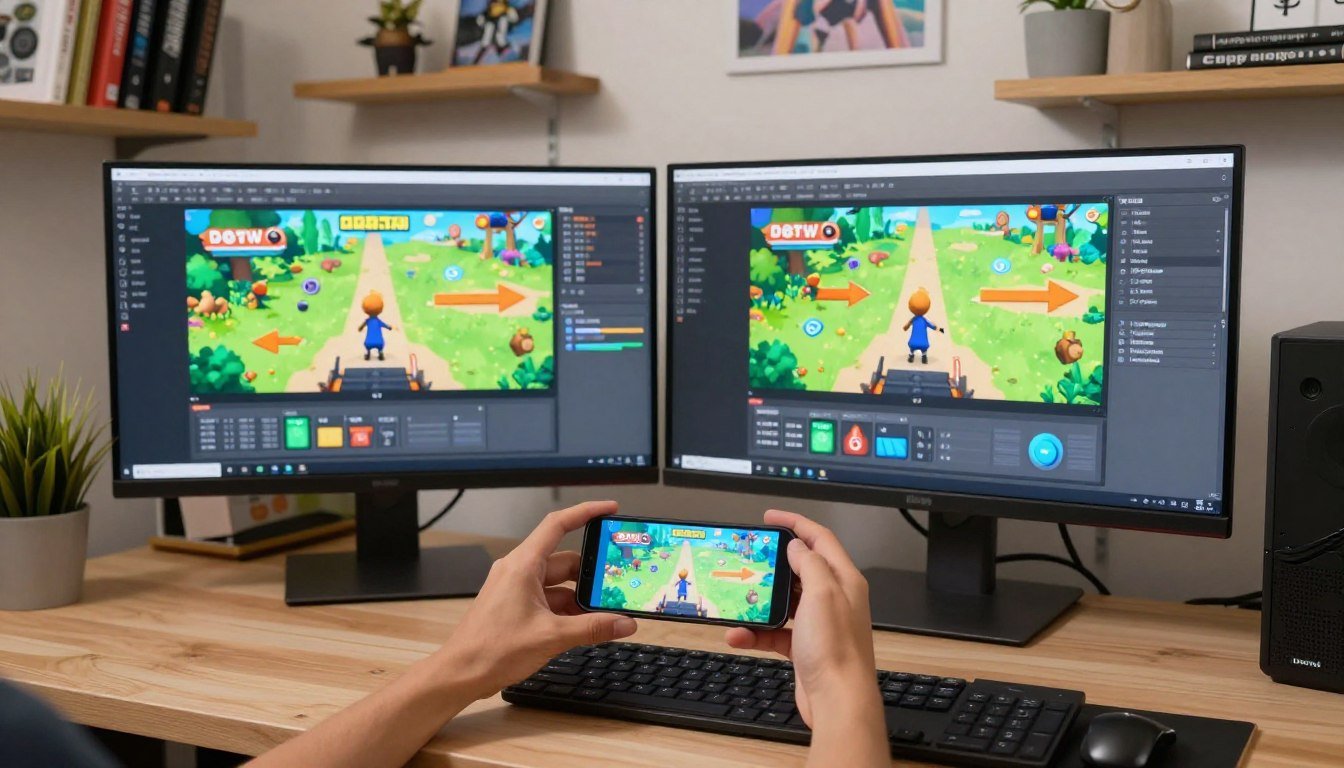
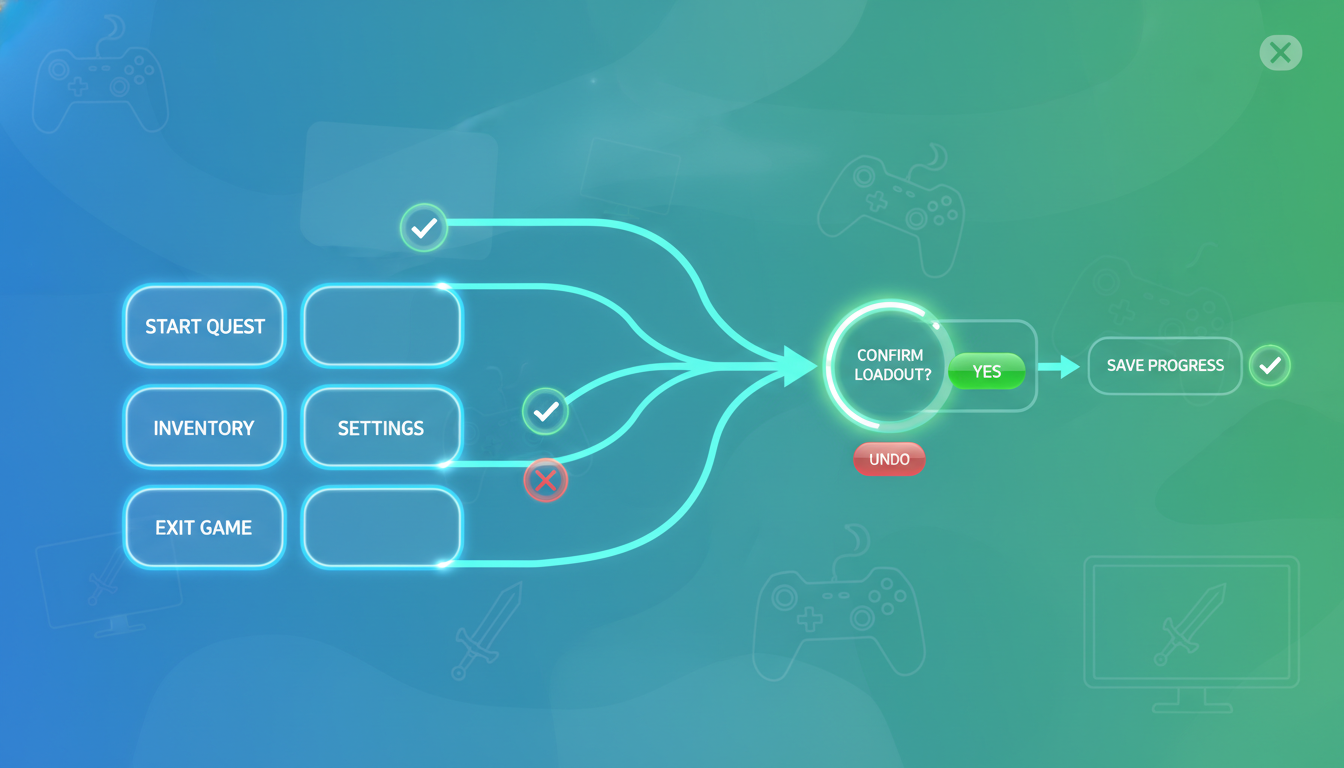
Creating smooth user experiences in interactive applications requires careful management of interface behavior. Traditional development methods often struggle with complex interaction scenarios. Many developers rely on multiple Boolean flags to track different conditions. This method creates potential conflicts where contradictory actions can occur simultaneously. The core problem emerges as applications grow more sophisticated. Each new […]

Continue Reading
error prevention patterns in game ui flows

Designing UI Flows That Prevent Player Errors Instead of Explaining Them

Making mistakes is a natural part of any interactive experience. In gaming, players often learn through trial and error. However, the best kind of mistake is the one that never happens. Thoughtful design can guide people away from unnecessary frustrations before they occur. This approach focuses on creating systems that feel intuitive. It’s about understanding […]

Continue Reading
feedback loops in interactive game ui systems

How UI Feedback Loops Shape Player Confidence and Control

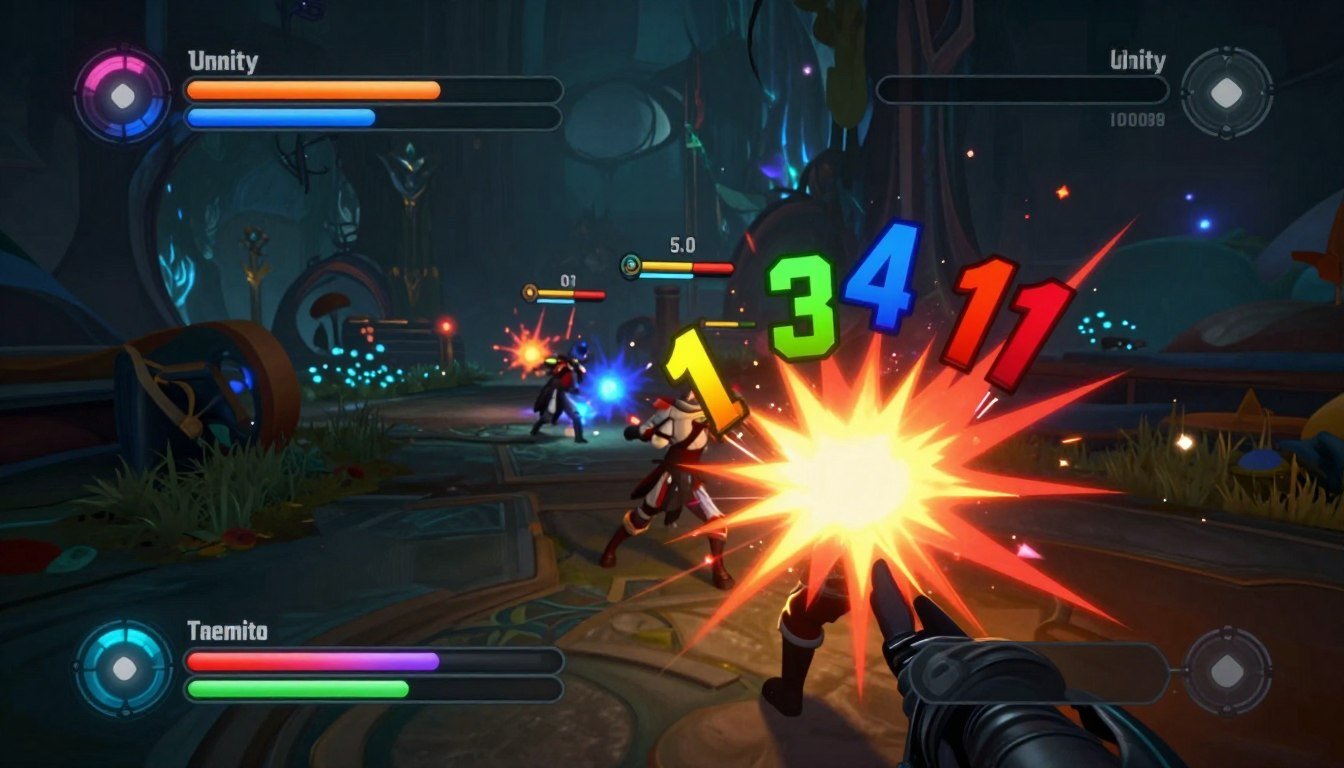
Every action you take in a modern video game creates a response. This back-and-forth relationship forms the foundation of player experience. When designed effectively, these cyclical processes build a powerful sense of agency and mastery. Early gaming relied on simple score displays and basic sound effects. Today’s titles feature sophisticated mechanisms that adapt to individual […]

Continue Reading
reducing cognitive load through ui interaction design

Reducing Cognitive Load Through Smarter UI Interaction Design

When people use digital products, their brains work hard to understand how everything functions. This mental effort is called cognitive load. Every visit to a website or app requires learning how to navigate while remembering the original goal. The working memory has limited capacity. When users receive too much information, their brain slows down. Some […]

Continue Reading
micro-interactions that improve game usability

Small UI Micro-Interactions That Significantly Improve Game Usability

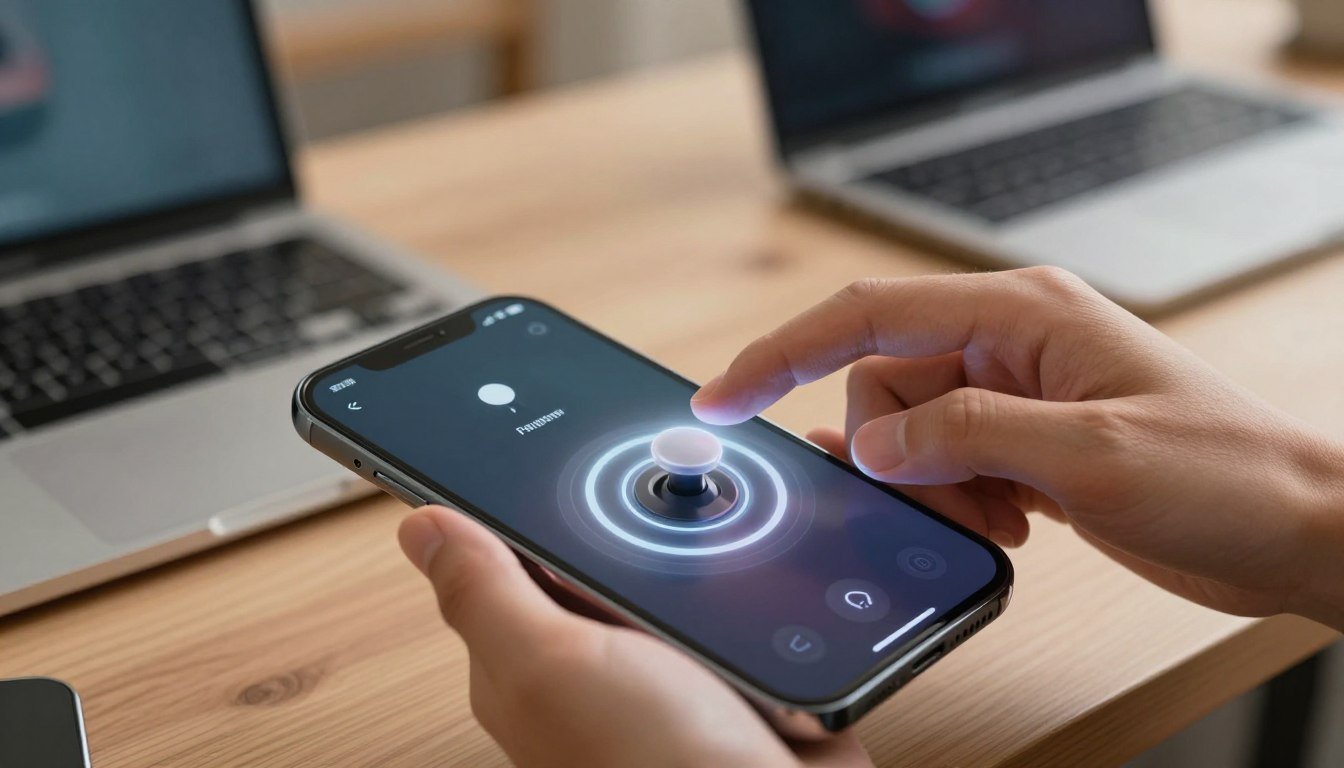
Many players abandon games after just one session. Research shows 25% of users leave apps not because they don’t work, but because they don’t feel right. This highlights a critical challenge in game development. Subtle animations and responses in interfaces make all the difference. These small design elements transform tedious actions into memorable moments. They […]

Continue Reading