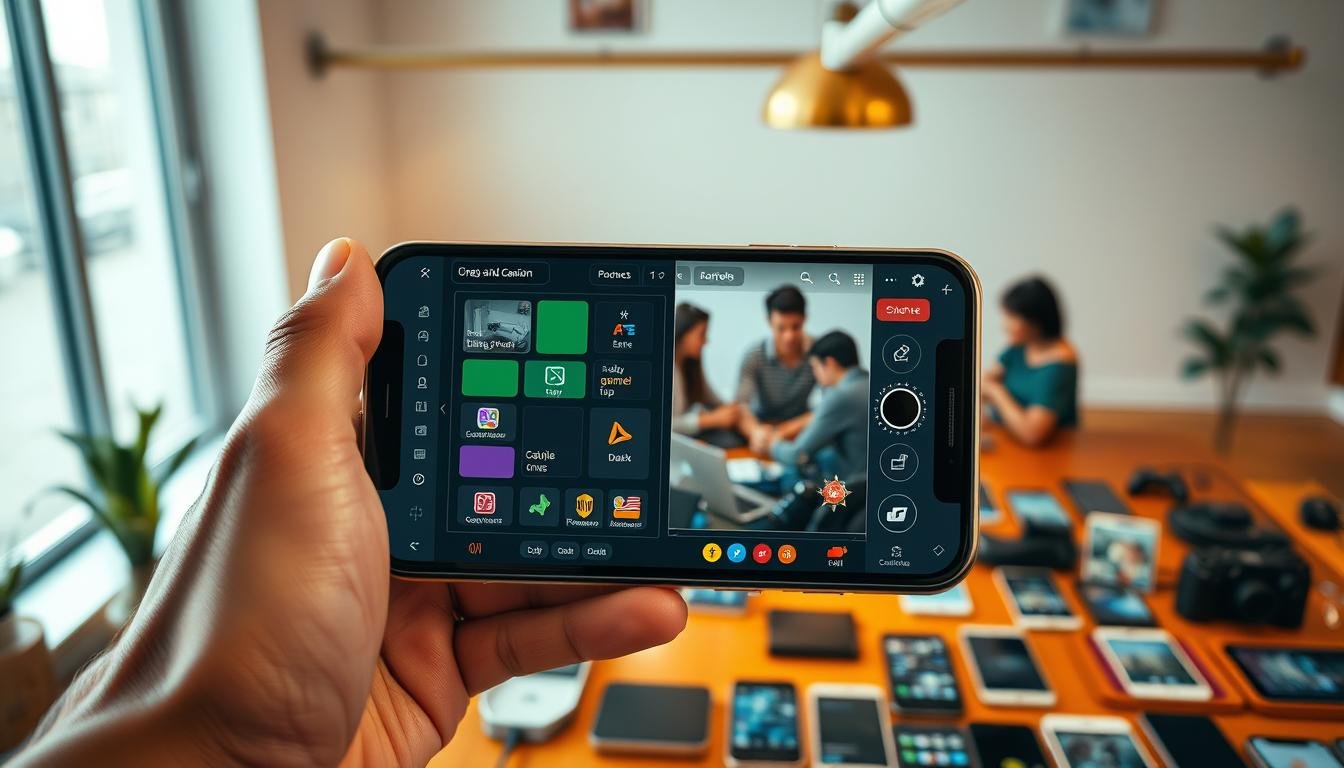
Welcome to the exciting world of creating interactive experiences. A revolutionary shift is happening, breaking down traditional barriers. Now, anyone with an idea can build without needing extensive programming knowledge or a large team.
The global video game market is booming. It’s projected to reach a staggering $268.8 billion by 2025. This creates huge opportunities for independent creators and small teams to participate in this thriving industry.
This guide will walk you through fundamental interactive systems you can build. We will cover everything from basic character movement to complex player interactions. You will discover practical approaches to bring your creative visions to life.
Our goal is to empower beginners, educators, and hobbyists. This friendly guide is designed to help you take your first steps with confidence. You will learn how to implement engaging features without writing a single line of code.
Key Takeaways
- The video game industry is experiencing massive growth, opening doors for new creators.
- No-code platforms remove the technical barrier to entry for building interactive experiences.
- You can create a wide range of engaging mechanics, from simple to complex.
- This guide provides a practical, step-by-step approach for beginners.
- You can bring your unique ideas to life without any prior coding experience.
- The process is designed to be accessible and supportive for everyone.
Understanding No-Code Game Development
Imagine building complex interactive systems using only visual building blocks and intuitive interfaces. This is the heart of modern creation tools. They let you design projects by connecting elements on a screen instead of writing complex text commands.
The Evolution of No-Code Platforms in Gaming
The journey began in the mid-1980s. Pioneering software like MacPaint and HyperCard first allowed people to create interactive projects. They did this without any traditional programming knowledge.
The 1990s saw a major breakthrough. Tools like Klik & Play and GameMaker introduced true drag-and-drop features. This made design accessible to a much wider audience. Even popular titles like “Doom” included editors for creating custom levels.
Research from Gartner shows this is the future. By 2025, most new applications will use these technologies. This is not just a passing trend.
Benefits of Visual Scripting and Drag-and-Drop Interfaces
The main advantage is speed. Industry data reveals these platforms can cut development time by up to 90%. This allows for rapid prototyping and iteration.
Visual scripting removes the need to understand complex syntax. You build logic through intuitive flowcharts. This dramatically lowers the learning curve.
This empowers creators with skills in art or storytelling to lead projects. They can bring unique perspectives to the industry without learning to code.
Getting Started with 2D Game Mechanics No-Code
The journey from concept to creation begins with setting up your development workspace. Modern platforms provide intuitive environments that welcome newcomers. You’ll find everything organized for easy access.
Setting Up Your No-Code Environment
Choosing the right platform depends on your creative vision. Most tools offer free trials or basic accounts to get started. The registration process is typically straightforward.
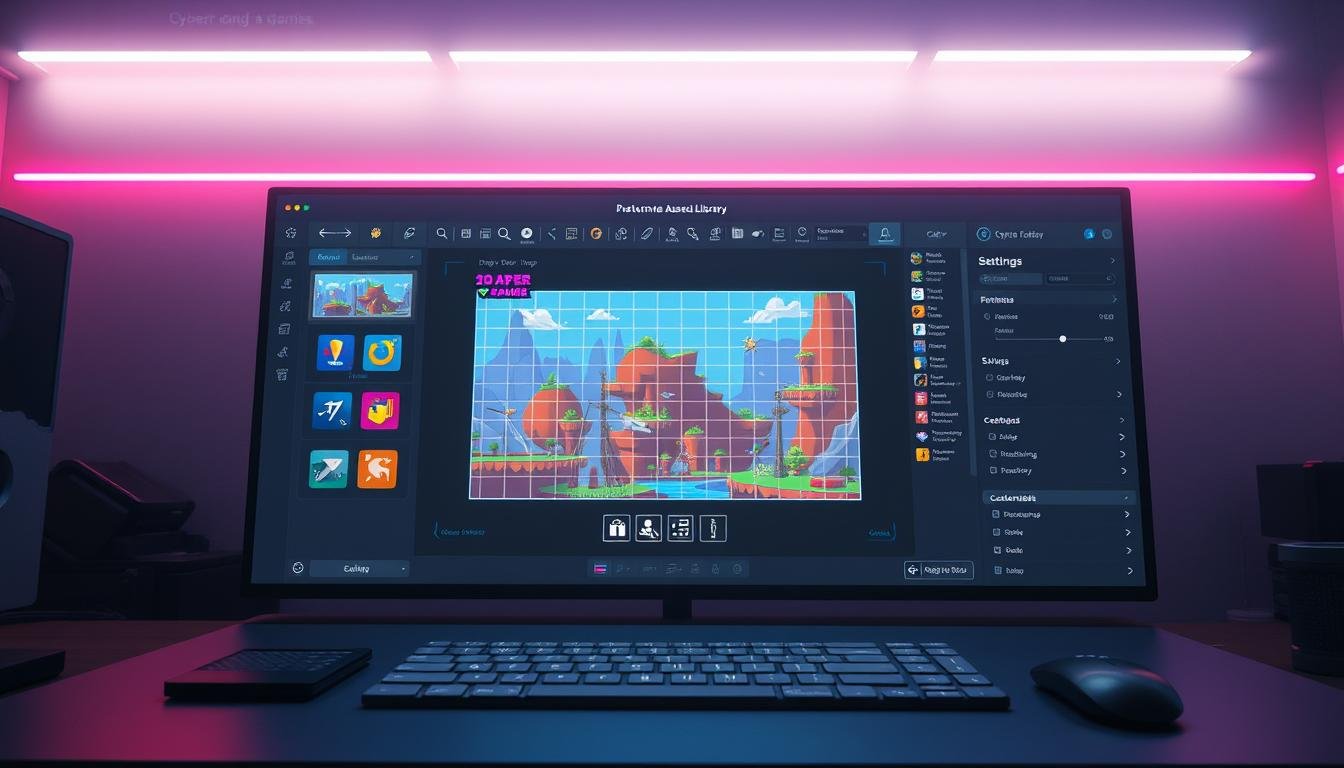
Once inside, you’ll discover a clean workspace layout. Key areas include the asset library, scene editor, and property panels. This organized approach helps you focus on creativity rather than technical details. Everything is designed for visual building.
Exploring Visual Logic and Game Templates
Visual scripting replaces complex code with intuitive connections. You build behaviors by linking nodes and setting triggers. This system makes advanced features accessible to all creators.
Pre-built templates offer excellent starting points for various project types. They provide structured foundations that you can customize extensively. This saves significant time while maintaining creative freedom. You can adapt these frameworks to match your unique artistic style.
Don’t hesitate to experiment with different features. The friendly nature of these platforms encourages exploration. You can try new approaches without worrying about breaking your project.
Designing Engaging 2D Game Mechanics
Let’s dive into the creative process where your ideas transform into playable experiences. This stage brings your artistic vision to life through interactive systems. You’ll build connections that make adventures feel responsive and engaging.
Implementing Core Gameplay Elements
Start with fundamental features that define player interaction. Character movement controls create the foundation of your experience. Responsive input systems make actions feel immediate and satisfying.
Visual scripting helps you build collision detection without complex commands. Set rules for objects interacting with walls or collectible items. This approach makes advanced logic accessible through simple connections.
Create intelligent enemy behaviors using event-based systems. Design patrol patterns and chase responses through visual workflows. Scoring systems track progress and manage win conditions effortlessly.
Integrating Storytelling and User Interaction
Weave narrative elements directly into your interactive design. Dialogue systems and cutscenes enhance player immersion. Use triggers to reveal story elements based on player choices.
Extend interaction beyond basic controls with inventory management. Quest logs and menu systems organize the player’s journey. These features create deeper engagement through thoughtful design.
Experiment with combining different elements to discover unique results. The visual nature of these platforms encourages rapid testing. You can quickly iterate until you find the perfect balance for your creation.
Leveraging No-Code Platforms for Rapid Game Creation
Today’s creators have an impressive selection of tools that transform ideas into playable experiences. Each platform offers unique strengths for different project types and skill levels.
Overview of Popular No-Code Tools and Platforms
Construct 3 operates entirely in your browser with no installation required. Its event system and multi-platform export make it accessible for beginners at just $4.99 monthly.
GDevelop stands out as completely free and open-source. This platform provides event-driven logic and cross-platform publishing without licensing fees.
Buildbox supports both 2D and 3D projects with smart assets and templates. GameMaker Studio 2 offers drag-and-drop for beginners plus optional scripting for advanced growth.
Specialized tools like RPG Maker excel at role-playing adventures with pre-built systems. Stencyl’s block-based approach works well for educational purposes.
Tips for Quick Prototyping and Asset Integration
Start with templates to accelerate your initial development phase. Focus on core mechanics before polishing visual details.
Utilize asset libraries to avoid creating everything from scratch. This approach saves significant time while maintaining quality.
Import custom graphics and audio while keeping consistent art styles. Optimize file sizes for better performance across devices.
Choose between free and paid platforms based on your publishing goals. Consider long-term feature needs when selecting your tools.
Advanced Strategies and Best Practices in No-Code Game Development
Advanced development strategies focus on maximizing performance while working within the boundaries of visual creation tools. Professional creators employ specific techniques to ensure their projects run smoothly across different environments.
Optimizing Performance Across Multiple Platforms
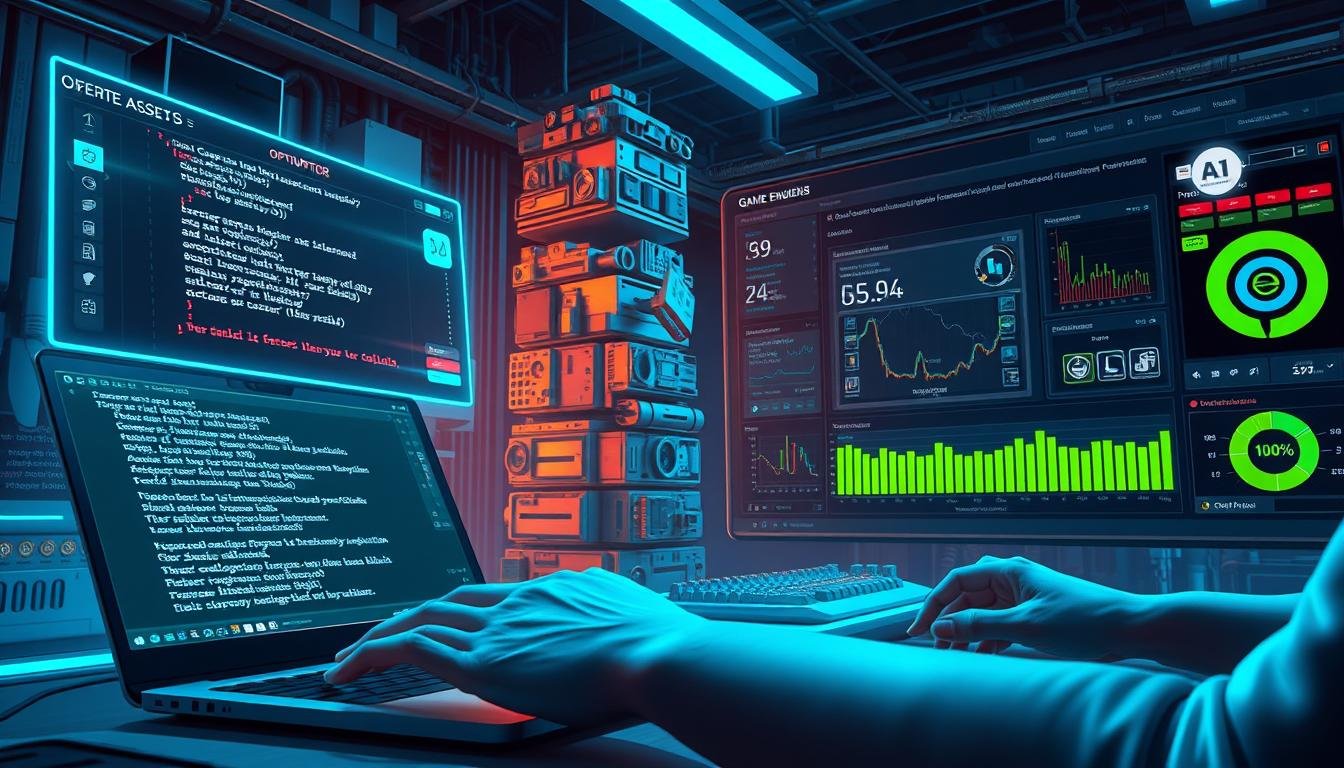
Efficient asset management is crucial for maintaining fast loading times. Reduce file sizes by compressing images and audio files appropriately. Test your creations on various devices to identify performance bottlenecks.
Many studios now combine visual tools with traditional programming for complex features. This hybrid approach allows rapid prototyping while maintaining customization options. AI-driven features can automatically generate content and test logic.
Research indicates most new applications will use these technologies by 2025. Emerging capabilities include procedural content creation and natural language programming. However, visual platforms have inherent limitations to consider.
Customization options may be restricted compared to coded solutions. Larger projects might experience performance challenges. Advanced technologies like VR integration can be difficult to implement.
Successful creators simplify project scope to match platform capabilities. They use external tools for specific needs and plan migration paths if projects outgrow visual solutions. Understanding licensing terms helps maintain control over intellectual property.
Organize workflows carefully and implement version control strategies. Consider transitioning to traditional engines when projects require advanced customization. These practices help creators maximize their potential while acknowledging platform boundaries.
Wrapping Up Your Journey into No-Code Game Creation
As we wrap up this journey, you stand ready to transform your ideas into engaging interactive experiences. You’ve gained valuable knowledge about accessible development approaches that remove technical barriers.
The tools available today make creation possible for everyone. Platforms like Construct 3 and GDevelop provide intuitive drag-and-drop interfaces. You can build compelling projects without traditional programming knowledge.
Remember that experimentation is key to growth. Join online communities and explore tutorials to continue learning. The supportive environment encourages trying new approaches safely.
You’re part of an exciting movement that’s opening digital creation to diverse perspectives. Start your first project today and bring your unique vision to life. Every successful developer began with that first step.