
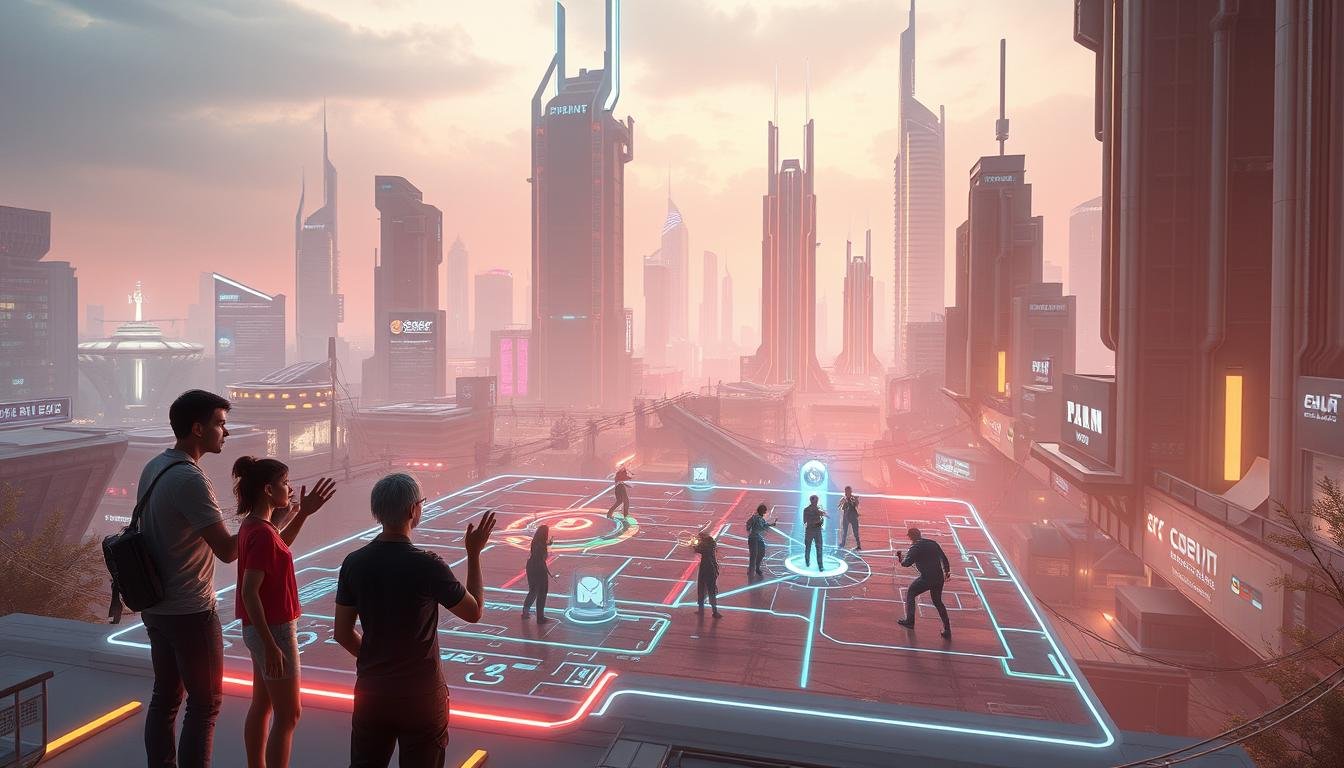
Have you ever dreamed of creating your own interactive world where friends can play together? The idea of building such an experience often feels locked behind a wall of complex programming. Many aspiring creators believe that crafting a engaging digital experience requires years of learning to code.
Today, that barrier is crumbling. Powerful platforms now exist that empower you to bring your vision to life using visual tools and intuitive logic. These engines handle the technical heavy lifting, allowing you to focus on design, story, and gameplay.
This guide will show you how it’s done. We will explore solutions like the open-source engine GDevelop, which lets you build for iOS, Android, and the web. For high-performance needs, services like Photon Engine provide the backend for smooth, lag-free interaction. The goal is to help you evaluate your options and make an informed choice for your project.
The journey from idea to a published title is more accessible than ever. Let’s dive in and discover how you can start building today.
Key Takeaways
- Creating interactive experiences without traditional programming is now a realistic goal.
- Modern platforms use visual interfaces and pre-built systems to simplify development.
- You can publish your creations to major platforms like mobile devices and the web.
- Specialized services are available to ensure high-performance and smooth player interaction.
- This guide will help you understand the capabilities of different available solutions.
- Success stories from the community prove that professional-quality results are achievable.
Understanding the No-Code Game Development Landscape
A new era of creation tools has emerged, focusing on visual logic and intuitive design over traditional text-based development. This approach opens up world-building to a much wider audience.
What is No-Code Development?
This philosophy centers on replacing written programming with visual interfaces. You use drag-and-drop actions and event sheets to define behaviors.
Complex concepts like variables and loops are represented with icons and simple menus. The engine handles the translation into working code behind the scenes. This abstraction is the key to its accessibility.
Benefits of Using No-Code Engines
The advantages are significant. You can iterate designs rapidly without debugging complex syntax. This leads to a much faster development cycle.
Barriers to entry are dramatically lower. Artists and designers can bring their visions to life directly. There’s no need to wait for a programmer or learn a language for years.
Platforms like the open-source GDevelop prove that choosing a no-code path doesn’t mean sacrificing power. You gain the ability to create professional-quality results.
Exploring Multiplayer No-Code Game Solutions
Modern development solutions have transformed how we approach real-time collaborative experiences. The market now offers diverse platforms specifically designed for synchronized player interaction.
These environments support various architectures. You can create simple turn-based titles or complex action-packed experiences with many simultaneous participants.
Services like Photon Engine provide the crucial backend infrastructure. They handle networking complexities so you can concentrate on design and player engagement.
Cross-platform compatibility is another key advantage. Players on mobile devices can seamlessly interact with those on desktop computers or consoles.
Template libraries demonstrate practical starting points. Platforms showcase pre-built examples that help jumpstart your project quickly.
The available solutions represent a mature spectrum of options. They power titles with millions of active users worldwide.
Steps to Build a Multiplayer No-Code Game Without Coding
Building interactive experiences without traditional programming follows a logical sequence of steps. This structured approach transforms your vision into a playable prototype through clear, manageable phases.
Start by defining your core concept. Consider the type of interactive experience you want to create and set realistic boundaries. This planning stage ensures your project stays focused and achievable.
Next, choose a development platform that matches your needs. Look for solutions that support your desired features and target platforms. The right choice provides the foundation for everything that follows.
Leverage pre-built frameworks to accelerate your progress. These starting points let you customize rather than build from scratch. This saves significant time and effort during development.
Design your experience’s rules using visual tools. Create player interactions and scoring systems through intuitive interfaces. This approach replaces complex coding with straightforward visual workflows.
Testing is crucial for ensuring smooth performance. Gather feedback from multiple players to identify and fix issues. Iterative improvements lead to a polished final product.
This methodical process makes creation accessible to everyone. Each step builds upon the previous one, guiding you from idea to finished experience.
Evaluating Top No-Code Game Engines
Two standout solutions in the current market demonstrate different approaches to simplifying the creation process. Each platform offers unique advantages for various project requirements.
GDevelop Overview and Capabilities
GDevelop stands out as a completely free, open-source game engine. This platform empowers creators to build diverse interactive experiences across multiple formats.
The engine provides an extensive event system for defining behaviors visually. Built-in behaviors simplify common mechanics, saving development time. AI assistance further accelerates the creative workflow.
Publishing options cover all major platforms, from mobile devices to desktop and web. The growing community shares valuable resources and templates.
Photon Engine Features and Performance
Photon specializes in backend infrastructure for synchronized experiences. Their solutions handle complex networking requirements seamlessly.
Photon Fusion offers advanced features like snapshot interpolation and lag compensation. These technologies ensure smooth performance even with high participant counts.
For competitive titles, Photon Quantum delivers deterministic multiplayer with zero lag. The cloud infrastructure scales automatically across global regions.
Both platforms represent powerful choices for different project needs. Understanding their capabilities helps creators select the right tool.
Key Features to Look for in Game Development Platforms
The success of your creative project often hinges on selecting a platform with the right combination of features. Understanding what to prioritize can save you time and frustration down the road.
Some capabilities are essential for creating engaging interactive experiences. Let’s explore the most important ones to consider.
Multiplayer Support and Scalability
Real-time interaction requires robust networking capabilities. Look for platforms that handle synchronization smoothly across different devices.
Scalability becomes crucial as your project grows in popularity. The right solution should automatically manage increasing participant counts without performance issues.
Advanced matchmaking systems and lobby management are valuable features. These tools ensure players can connect and enjoy your creation seamlessly.
Asset Store and Template Options
Access to pre-built resources can dramatically accelerate your workflow. A comprehensive asset store provides characters, environments, and sound effects.
Template libraries offer practical starting points for various genres. These resources demonstrate best practices and proper implementation techniques.
The availability of community-shared content is another strong advantage. It allows you to focus on unique aspects rather than recreating common elements.
Understanding Game Physics & Logic Without Code
The magic behind responsive movement and accurate collisions happens automatically. Modern platforms handle the complex mathematics that used to require programming expertise.
Visual scripting systems let you define behaviors through simple drag-and-drop actions. You create rules for character movement, object interactions, and scoring systems using intuitive menus. This approach replaces complex code syntax with straightforward visual workflows.
The underlying physics systems manage gravity, momentum, and collisions seamlessly. You adjust parameters through sliders rather than mathematical formulas. This abstraction makes sophisticated mechanics accessible to all creators.
For synchronized experiences, deterministic physics ensures all participants see identical states. Advanced engines predict and rollback inputs to prevent desynchronization issues. This technology works behind the scenes while you focus on design.
Testing your creation’s feel becomes an iterative process of adjustment. You refine movement responsiveness and collision detection through simple parameter changes. This practical approach helps you achieve professional-quality results.
You don’t need to understand complex equations to build engaging mechanics. The platforms handle the technical challenges while you concentrate on creative possibilities.
Integrating Cross-Platform Support for Games
Reaching players across different devices has become a critical consideration for modern creators. Today’s development platforms make this achievable with a single project.
Mobile and Desktop Compatibility
Modern tools automatically handle the differences between touchscreen and keyboard controls. You design once and deploy everywhere.
This approach eliminates the need for separate codebases. Players on mobile devices can interact with those on desktop computers seamlessly.
Platforms like GDevelop streamline publishing to major app stores. The export process handles technical requirements automatically.
Web-Based Deployment Advantages
Browser-based deployment offers instant accessibility. Players can try your creation with a simple link instead of downloading an app.
The web environment removes friction from player acquisition. Updates happen instantly without app store approval delays.
This approach supports viral sharing and broader audience reach. Friends can play together regardless of their preferred device.
Understanding these capabilities helps you maximize your project’s potential. You can strategically choose which platforms to target first.
Leveraging AI and Automation in Game Development
Automation and artificial intelligence are becoming indispensable partners for modern creators, streamlining complex development tasks. These intelligent tools handle everything from asset creation to logic implementation.
AI assistance can generate character designs, environment assets, and even suggest behavioral logic. This helps overcome creative blocks by offering practical solutions and alternative approaches.
Automation features excel at handling repetitive work like batch processing and optimization. They save significant time by managing tedious tasks automatically.
Platforms like GDevelop integrate AI capabilities directly into their workflow. The system provides real-time feedback and identifies potential issues before they become problems.
This technology allows creators to focus on creative decision-making rather than technical details. The time savings are substantial, accelerating the entire development process.
While AI offers powerful assistance, human creativity remains essential for unique experiences. Understanding when to rely on automation versus personal judgment is crucial for success.
Assessing Community Support and Resources
Behind every successful creation platform lies a network of passionate users who elevate the experience. This surrounding ecosystem provides invaluable help that official documentation alone cannot match.
Vibrant communities offer troubleshooting assistance, shared assets, and collaborative opportunities. They provide motivation through connection with fellow creators facing similar challenges.
When evaluating platforms, look for active forums and Discord servers with regular engagement. Frequent community-created tutorials indicate a healthy, supportive environment.
Comprehensive learning resources dramatically reduce the initial learning curve. Platforms like Rosebud showcase how community contributions create valuable template libraries.
This peer-to-peer learning extends beyond technical help to creative feedback and playtesting. Joining a strong community network increases your project’s success likelihood significantly.
Navigating Pricing, Plans, and Licensing Models
Financial planning is an essential but often overlooked aspect of the creative development process. Understanding different pricing structures helps you make informed choices that align with your budget and goals.
This guidance ensures your project remains financially sustainable from start to finish. You’ll learn to evaluate costs beyond the initial investment.
Subscription Models and Licensing
Platforms offer various approaches to pricing. You’ll encounter free tiers, monthly subscriptions, and one-time purchases.
Carefully review licensing terms before committing. Some arrangements include revenue sharing or restrictions on commercial use.
Always check what happens if you stop payments. Ownership rights can vary significantly between platforms.
Cost versus Value Analysis
Look beyond the initial price on the pricing page. Compare what’s included in different plans to assess true value.
Consider potential hidden fees for publishing or scaling. Calculate total ownership costs over time.
Free options work well for hobbyists, while serious creators may benefit from premium features. Choose based on your project’s long-term needs.
User Experience and Tutorial Resources
Excellent tutorial content serves as the bridge between creative ambition and practical implementation. The learning journey with visual platforms depends heavily on accessible educational materials.
Intuitive interfaces reduce the mental effort required to navigate complex systems. This allows creators to focus on design choices rather than technical hurdles.
Quality learning resources include step-by-step video guides and comprehensive documentation. Look for platforms offering project-based examples that demonstrate real-world applications.
Template libraries provide working examples that accelerate skill development. Examining existing projects helps creators understand implementation patterns effectively.
Well-organized educational content creates sustainable learning paths. This approach prevents frustration and keeps motivation high throughout the development process.
Real-World Success Stories in No-Code Multiplayer Games
Seeing is believing when it comes to what’s possible with visual development tools. These platforms have powered titles that reached millions of players worldwide.
Creative individuals and teams have built commercially successful experiences that prove the power of these approaches.
Case Studies from GDevelop and Photon
GDevelop showcases hit titles created by its community that demonstrate substantial player engagement. These experiences span various genres and have achieved impressive download numbers.
Photon Engine supports Fortune 500 companies and major titles with its robust infrastructure. Their technology ensures smooth performance for high-traffic interactive applications.
Indie Game Success Examples
Independent creators have found remarkable success using visual platforms. Projects like “Pumpkin Says” and “Haunted House” started as hobby ideas.
These developers often work alone or in small teams without programming backgrounds. Their achievements show that creative vision matters more than technical expertise.
The Rosebud community highlights diverse multiplayer horror titles and experimental projects. These examples inspire new creators to pursue their own ideas with confidence.
Best Practices for No-Code Game Development>
Smart project planning separates successful creators from those who struggle with unfinished work. Begin with a small, focused scope rather than an overly ambitious idea. This approach prevents burnout and keeps motivation high throughout the development process.
Organization is crucial for smooth progress. Establish clear file structures and consistent naming conventions from day one. Good documentation habits save time and reduce frustration when you return to older work.
Performance optimization matters even without traditional coding. Test your creation on different devices to ensure smooth operation. Pay attention to asset sizes and complexity to maintain good frame rates.
Effective testing requires gathering feedback from real players. Start with small groups and iterate based on their responses. This helps identify issues you might have missed during solo development.
Leverage existing assets and templates as starting points. Customizing proven foundations often produces better results than building everything from scratch. This strategy saves time and provides professional-quality building blocks.
Engage with community resources for support and learning. Ask specific questions and contribute your own discoveries when possible. Building connections with fellow creators provides valuable long-term benefits for your projects.
Common Challenges and How to Overcome Them
Even the most intuitive platforms present occasional hurdles that require systematic problem-solving. When building interactive experiences, you might encounter issues with behavior systems or performance scaling. This section provides practical strategies for identifying and resolving these common obstacles.
Troubleshooting Game Logic Issues
Visual scripting systems can sometimes produce unexpected results. You might find events triggering in the wrong order or conditions not working as intended.
Start by isolating the problem area. Test individual components separately before checking their interactions. This method helps identify whether the issue lies in a single element or the connection between systems.
Platform communities offer excellent debugging assistance. When seeking help, provide clear examples and describe what you expected versus what actually happened.
Scaling Multiplayer Features Effectively
As your project grows, maintaining smooth performance becomes crucial. Services like Photon Fusion provide lag compensation and support for high participant counts.
Test your creation under realistic conditions. Include various network speeds and device capabilities during testing. This approach helps identify bottlenecks before players encounter them.
Photon Cloud demonstrates effective scaling solutions with enhanced DDOS protection. Their infrastructure handles increasing demand automatically, ensuring consistent experiences for all participants.
Integrating Custom Assets and Templates>
Professional-looking results often come from smart integration of existing materials rather than building everything from scratch. Platforms like Rosebud demonstrate how templates serve as solid foundations for customized projects.
You can find quality assets through various sources. Platform-specific stores offer curated content designed for seamless integration. Third-party marketplaces provide extensive libraries with diverse styles.
Always check licensing terms before using any asset. Some require attribution or restrict commercial use. Understanding these rules prevents legal issues down the road.
Customization is key to making templates feel unique. Modify colors, rearrange elements, and add personal touches. This approach maintains efficiency while ensuring originality.
Balancing ready-made content with custom work creates the best results. Use templates for structure and common elements. Reserve creative energy for distinctive features that make your project stand out.
Future Trends in No-Code Game Development
The creative landscape continues evolving with exciting new possibilities on the horizon. Visual platforms are incorporating technologies once reserved for complex programming environments.
This forward-looking exploration helps you prepare for upcoming innovations. Understanding these trends ensures your skills remain relevant as the industry advances.
Emerging Technologies in Game Design
Advanced features like procedural generation and sophisticated physics are becoming accessible. Virtual reality and cloud gaming integration represent the next frontier.
Visual scripting systems are growing more powerful while remaining intuitive. Behavior trees and state machines handle complex logic through simple interfaces.
The entire development process benefits from these advancements. Creators can build ambitious projects without traditional coding barriers.
The Role of AI in Multiplayer Experiences
Artificial intelligence transforms how players interact within digital worlds. Smarter NPCs and dynamic difficulty adjustment create more engaging experiences.
AI-powered assistance accelerates creation workflows significantly. Tools can generate assets, suggest implementations, and optimize performance automatically.
Machine learning enables sophisticated player matching and personalized content. These technologies make every multiplayer session feel unique and tailored.
Platforms like GDevelop demonstrate how AI integration enhances the creative process. Their engine capabilities showcase what’s possible for future projects.
Final Thoughts on Crafting Your No-Code Gaming Experience
Your journey into creating interactive experiences begins with choosing the right tools for your vision. Each platform serves different needs, so select one that matches your project requirements and skill level.
Start with available templates to build momentum quickly. The asset store provides excellent starting points. Gradually expand your skills as you become comfortable with your chosen game engine.
Remember you’re joining established creator communities. These networks offer valuable support and shared knowledge. They celebrate successes and help overcome challenges.
While development requires effort, modern tools have removed the biggest barriers. Begin with small experimental projects. Engage with tutorials and join platform communities.
These solutions democratize creation, enabling anyone with creativity to bring their visions to life. Your interactive world awaits—start building today.